selected works 2022 - 2026
This page offers a condensed look at my artistic practice, alongside writings of various lengths.
Please click on the representative image to be taken to the body of work, to see the project in full.
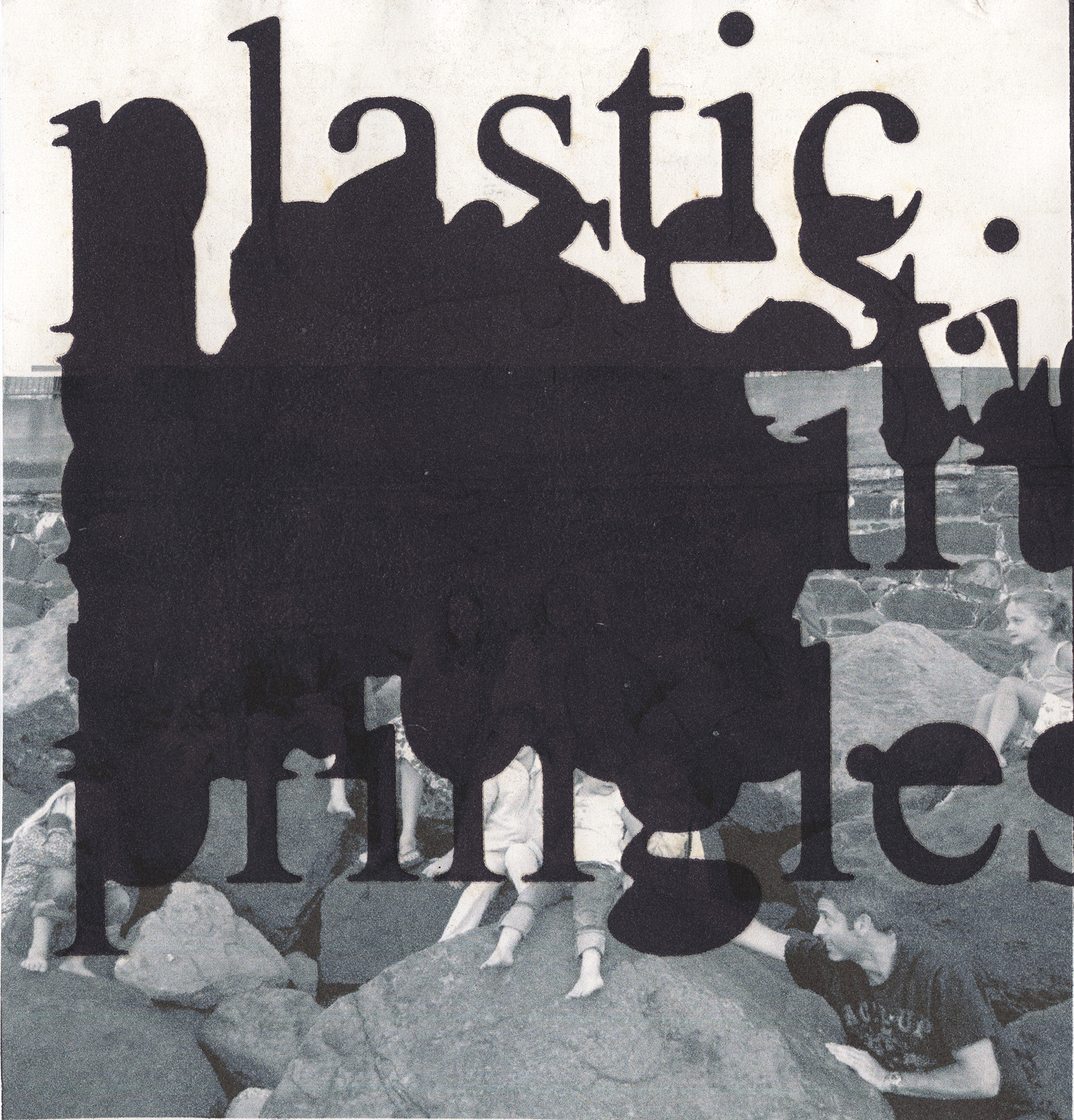
Drowning in the River Lethe, 2025
intaglio monotype and giclee print
In pairing text and image together, Drowning in the River Lethe sits with the distance between our memories, our ability to transmit them, and ourselves. This project was inspired by studies in cognitive psychology which addressed memory recall and reconstruction. These studies suggest that memory retrieval involves a reconstruction process where the brain replays neural activity associated with the original event, but this can be, and often is, altered with each recall. Memories are not static. We are not remembering an experience itself, rather the last time we remembered it. In Drowning in the River Lethe, I explore the ways that memories are rewritten each time we put language to them. Each time we tell a story or narrate a past event to ourselves, how are we fictionalizing our own lives? Utilizing imagery from my own childhood, alongside text from journal entries and my own retellings of these memories whilst working on the project, I attempt to organize my own recollections and take an active role in the retelling of these experiences.
Text is printed on top of these images, some whole and others stripped down solely to the elements which remain in my memory. Words swarm the surface of the image; obscuring it and altering our perception. The words press in on the photography, creating an overwhelming, almost claustrophobic feeling. The image is inexplicably altered by the language around it, just as our memories are. Abstraction sets in as the retellings begin to overtake the experience itself. In writing about my memories, I am, in fact, rewriting them. As portions of the photograph, the original documentation of an experience, are redacted and recontextualized amidst other images, meaning simultaneously abrades and accumulates. The text creates an inherent barrier between the viewer and the memory; yet, the written language is essential to gaining understanding of the documented experience. The texture of ink resting on the surface of the page or the debossing of a plate creates a tangible reminder of the space between the viewer and access to the experience.
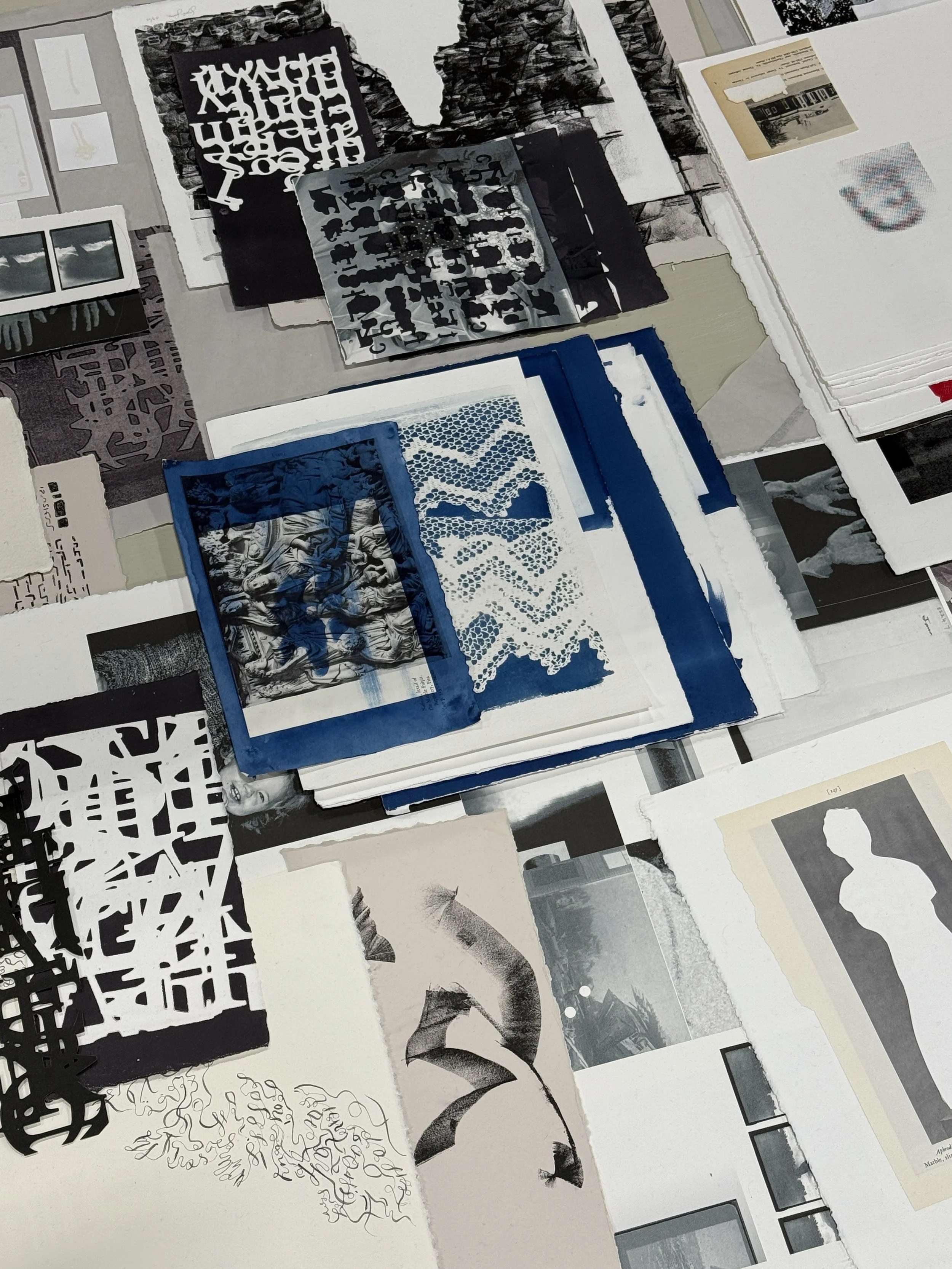
the trace, 2025
cyanotype, intalgio monotype, stone lithography, screenprint, giclee, ink on paper, and found papers
I have always been compelled by words with numerous meanings. Despite my love of language, many components of communication feel alien to me. Words which take on many, often disparate meanings, are a refugee of common confusion and misunderstanding. The word trace is such a word. It can take the form of a noun, a verb, and an adjective. Something can be traced just as easily as it can be a trace. There are over a dozen specific definitions for the word. Tracingism is a word I’ve coined to encapsulate them all. To participate in tracingism is to engage with its many forms:
To track down. To copy. To mark the existence or passing of something. To delineate a form painstakingly. To discover by going backward. Something left behind; a remnant. A quantity too small to be accurately measured. A path that someone or something takes.
In my exploration of memory and repetition, tracing has become essential. To trace is to copy. To be a trace is to be a remnant. To trace a trace is to try to replicate that which fades.
In The Trace that things fade. With increasing visual fragmentation and physical deterioration, the same prints found in the artist books are broken down – losing their frame of reference. The installation itself is an opportunity to step into my process of organizing fragments and trace; in engaging with this installation, the viewer is invited to draw connections and pay due attention to that which is often forgotten.
The physical organization of the work is of great importance. Parallel to the hanging wall shelf, which houses this series of artist books, is a large platform on the floor, sitting just a few inches off the ground. It holds stacks of prints – inkjet, silver gelatin, silkscreen, letterpress, and lithography – in addition to ephemeral papers (recipes, to do lists, notes, etc) and objects with organization significance (paper clip, twine, ect). Each of the books may be handled by the viewer. An initial image is displayed when I set up the work, but as people view it this will become a memory. New images and combinations emerge as people look and place the books back on the shelf. The Trace is not to be handled; it is a standstill of my own attempt to decipher and translate materials which are simultaneously disperate and yet necessarily echoing one another.
The platform is home to a rather disheveled scattering of prints. I intend for the clutter and chaos of the platform to be a strong juxtaposition to the tidiness of shelved book structures. This platform is what the audience encounters first. At just over 6ft wide, the viewer must walk around the platform to see the whole thing. Even the tallest viewer is unable to stand over it and see it aerially; no matter where they are there are angles that cannot and will not be seen. The work cannot be seen as a whole. It is always fragmented and false – never seen in its entirety.
The prints on the platform include the prints which are used in the books on the shelves, and variations on them. It also houses other relevant prints and photographs which engage with the concepts and imagery depicted in the books. These works are not laid out cleanly in a grid. They overlap and obscure one another. Some prints will be hidden entirely below the others. Laid out in this manner, they are inherently in conversation. Images that do not interact in the individual narrative and exploration of the book forms are undeniably intertwined when beside one another. New connections are formed in the chaos.
One must look, remember and then look back – tracing the path their first wandered.
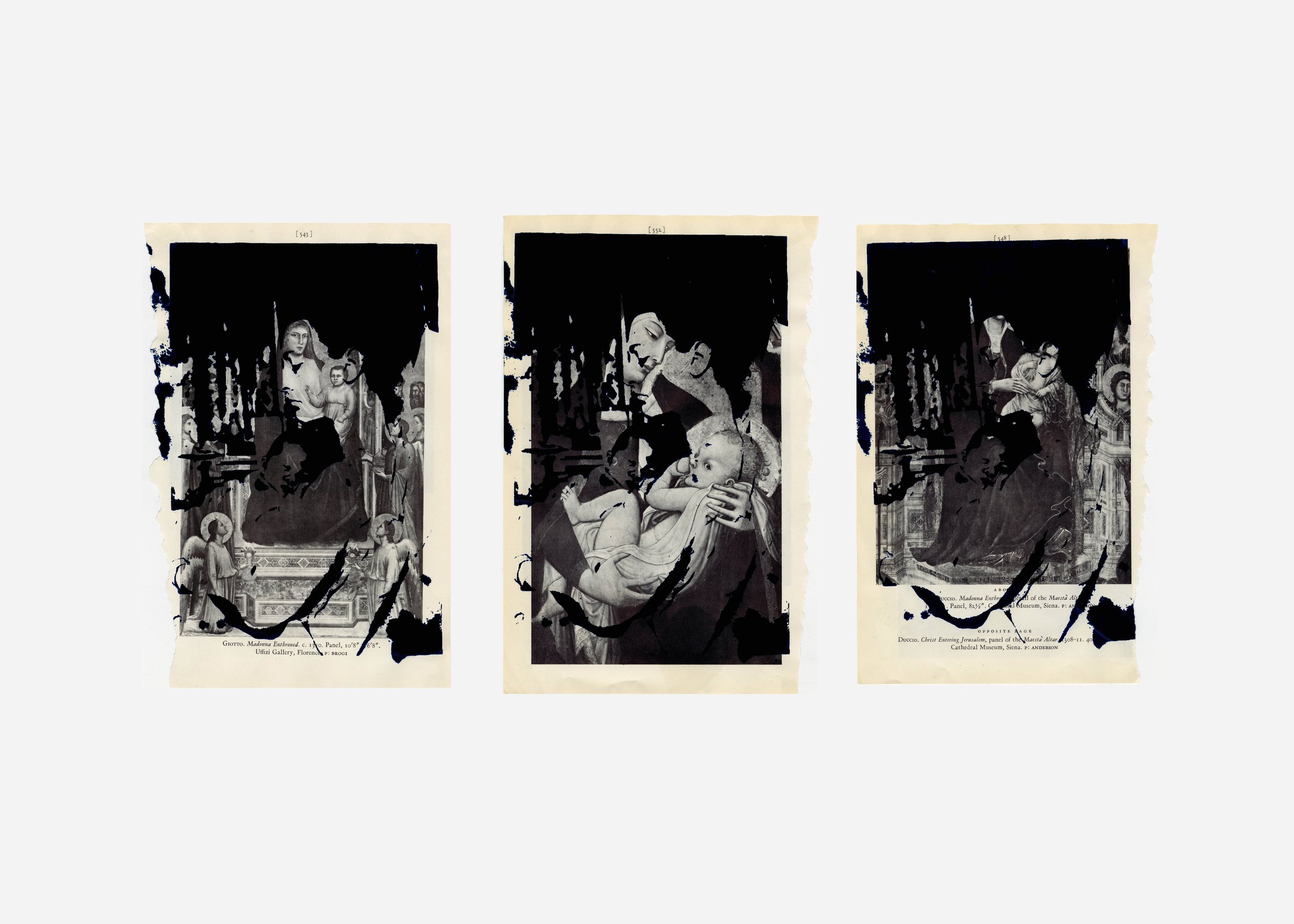
mother & child, 2022 - present
silkscreen on found papers
This ongoing series is a collection of images of the Virgin Mary and baby Jesus, gathered from discarded art history books and liturgical materials, overlaid with an image of my own mother and I on the day of my birth. In each layering, the figures interact in new ways: often mirroring each others pose and other times making eye contact in their opposition. Mother & Child is a reflection on repetition and derivation throughout human history - both in daily life and image making.
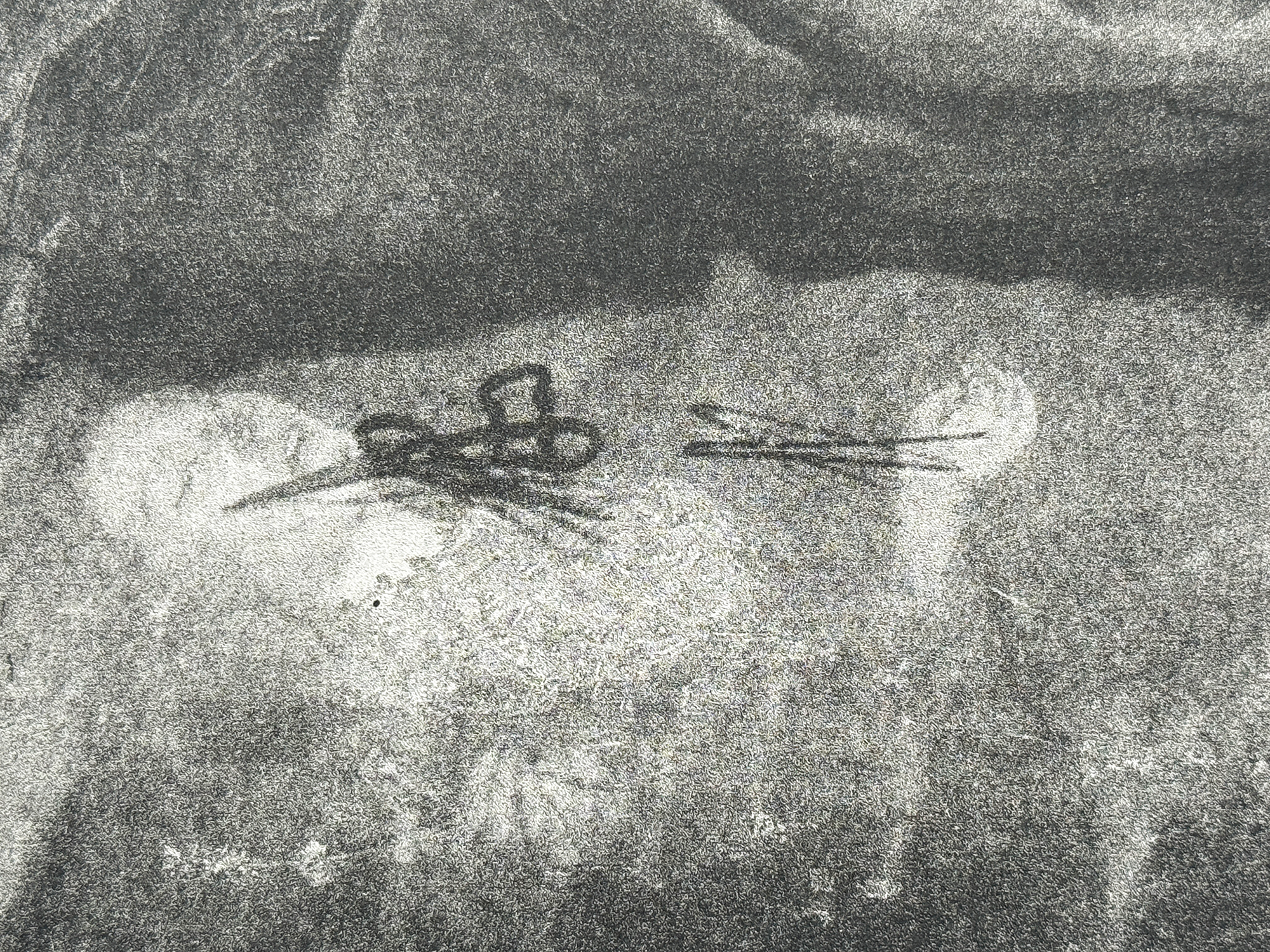
the shape of a trace, 2025
photolithography and giclee print on cotton rag
In The Shape of a Trace, derivation is tackled head on. Drawing directly on the myth of Echo, I explore collective memory through repetition in art; I seek out common humanity. How do we tell our story by echoing? More importantly, can we create in any other way? Utilizing imagery, largely from the Western canon, I highlight common symbols, narratives, and subjects in artwork. Something as simple as a commonly used hand posing becomes something more when seen en masse; the fear of unoriginality fades in the face of the collective. In curating these images, I begin to develop a system of organizing the world; yet, when categorized, recontextualized, and striped down, these images take on new meaning. In the curation and annotation of these images, I myself offer an interpretation in echo. The very pairing of images invites the viewer to put them in conversation with one another. I am interested in the inability of a viewer to leave things without interpretation. The Shape of a Traceaims to draw together a set of images and allow the viewer to form these new narratives. Just as Echo repeats, so do we
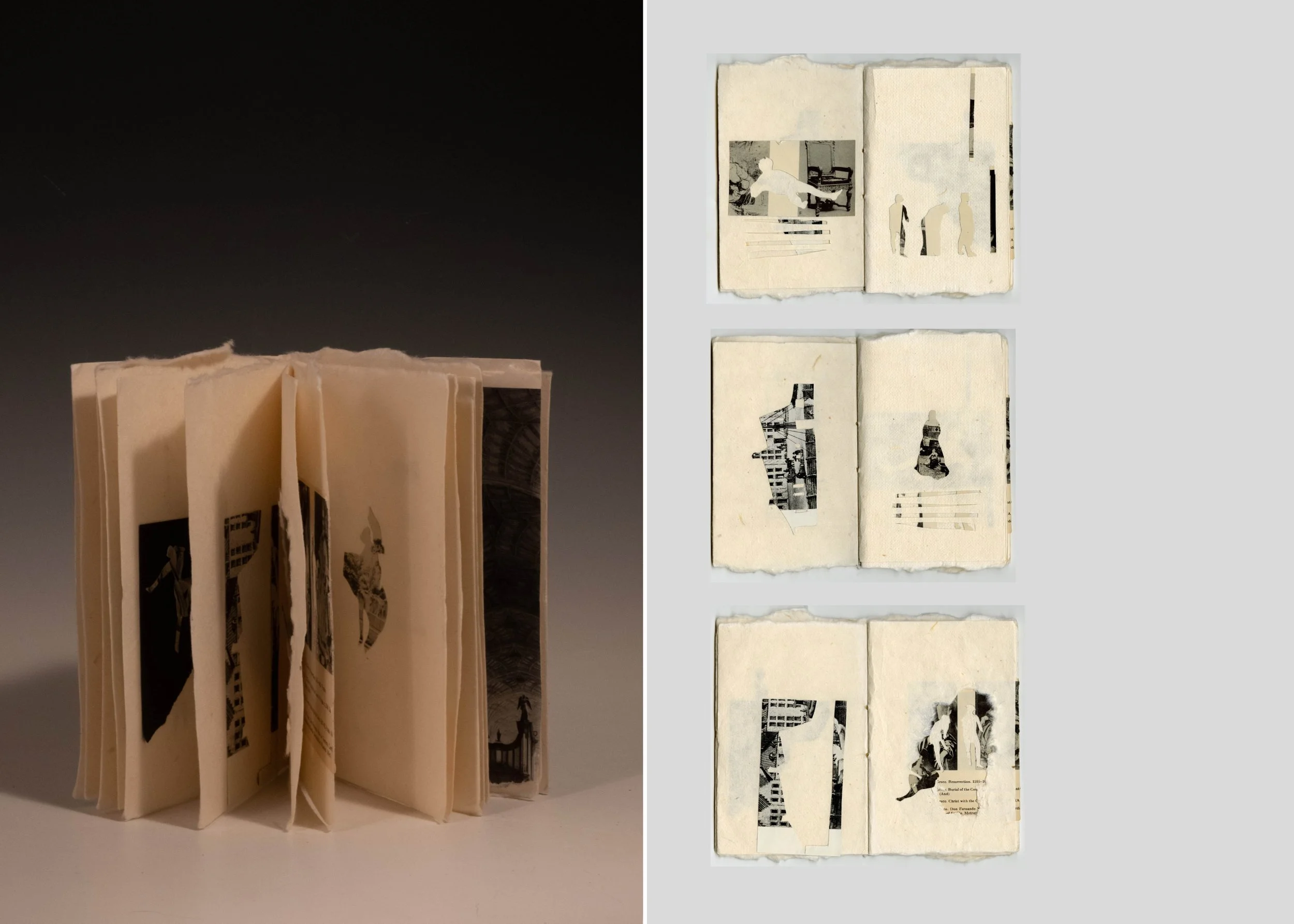
In the parlor of the grand inquisitor, 2023
found papers on cotton rag paper with cotton thread
Through abstract silhouettes cut from a discarded art history book, In the Parlor of The Grand Inquisitor generates questions about derivation, originality, and collective narrative.
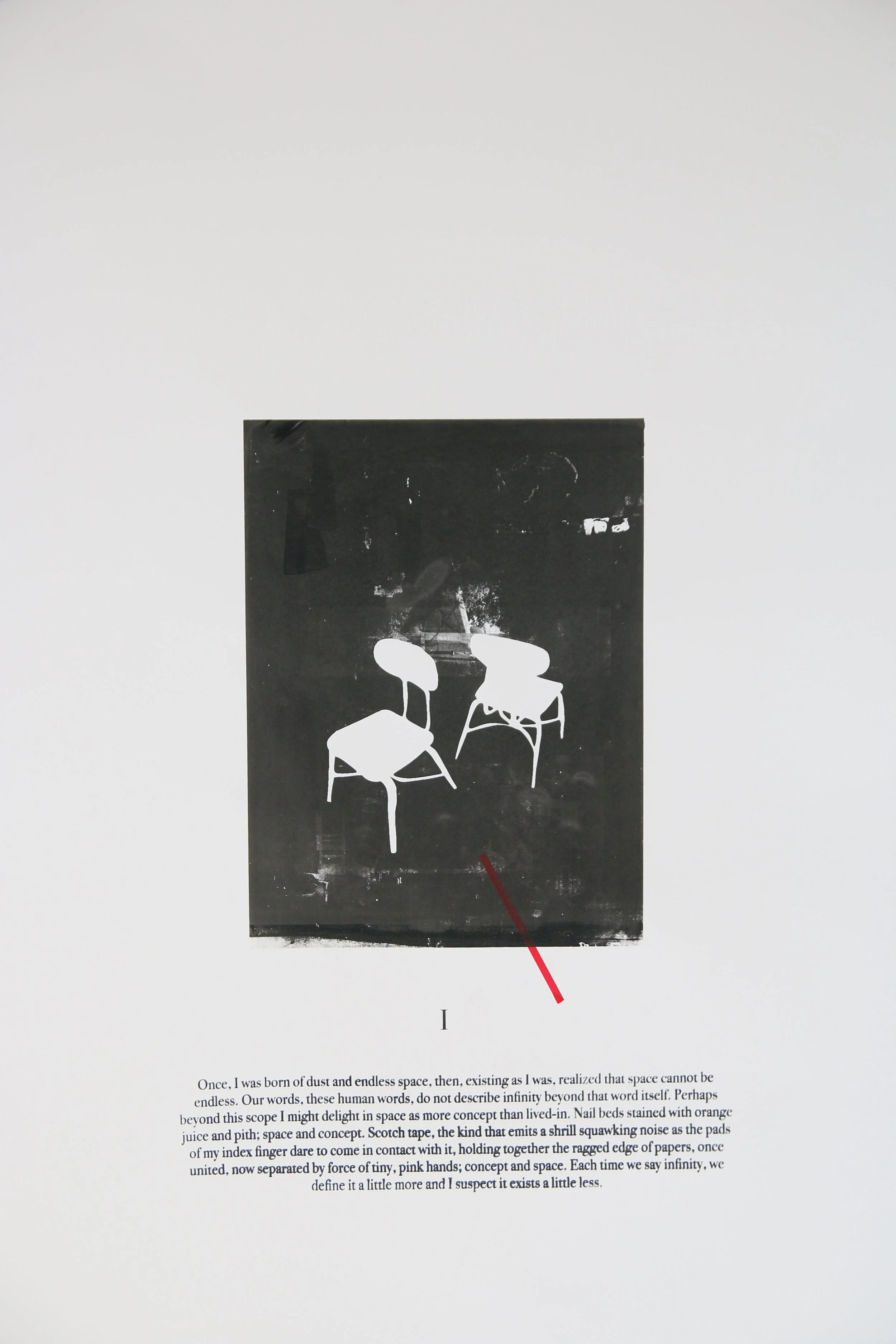
surface without edge, 2023
silkscreen on cotton rag
Beginning with an ekphrastic prose poem, written in response to the paintings of Jasper Johns, “Surface Without Edge” turns traditional ekphrasis on its head. This “reverse” ekphrasis comes from the assertion that ekprhasis is a two-way street; art based on poetic works are of the same nature as poetry based on visual artworks. Instead of stopping at a ekphrastic poem or artwork, I aim to go one step further: first writing an ekphrastic prose poem, and then creating an ekphrastic silkscreen print derived from unabashedly derivative poetry.
At nearly five feet tall, “Surface Without Edge” is a triptych meant to be viewed on the wall. The imagery is created with a variety of silkscreen techniques: monotype with reclaimed screens to allow for old images to pass through, distorting text with chemicals, atypical pressure, smearing, and the application of ink with no screen for added texture. A singular red line on each print breaks the boundary of the rectangle and expands the void, while enforcing the relationship the image has to the paper. The chair, a staple image in my work, departs from its usual allusions to home and instead serves as an anonymous figure, in turn allowing the viewer to engage with the void of the surface.
Utilizing three different iterates of the word born, I center the work on birth, flight, and boundary. Then, uniting each notion, ask questions about the nature of space, originality, and the role of the artist.
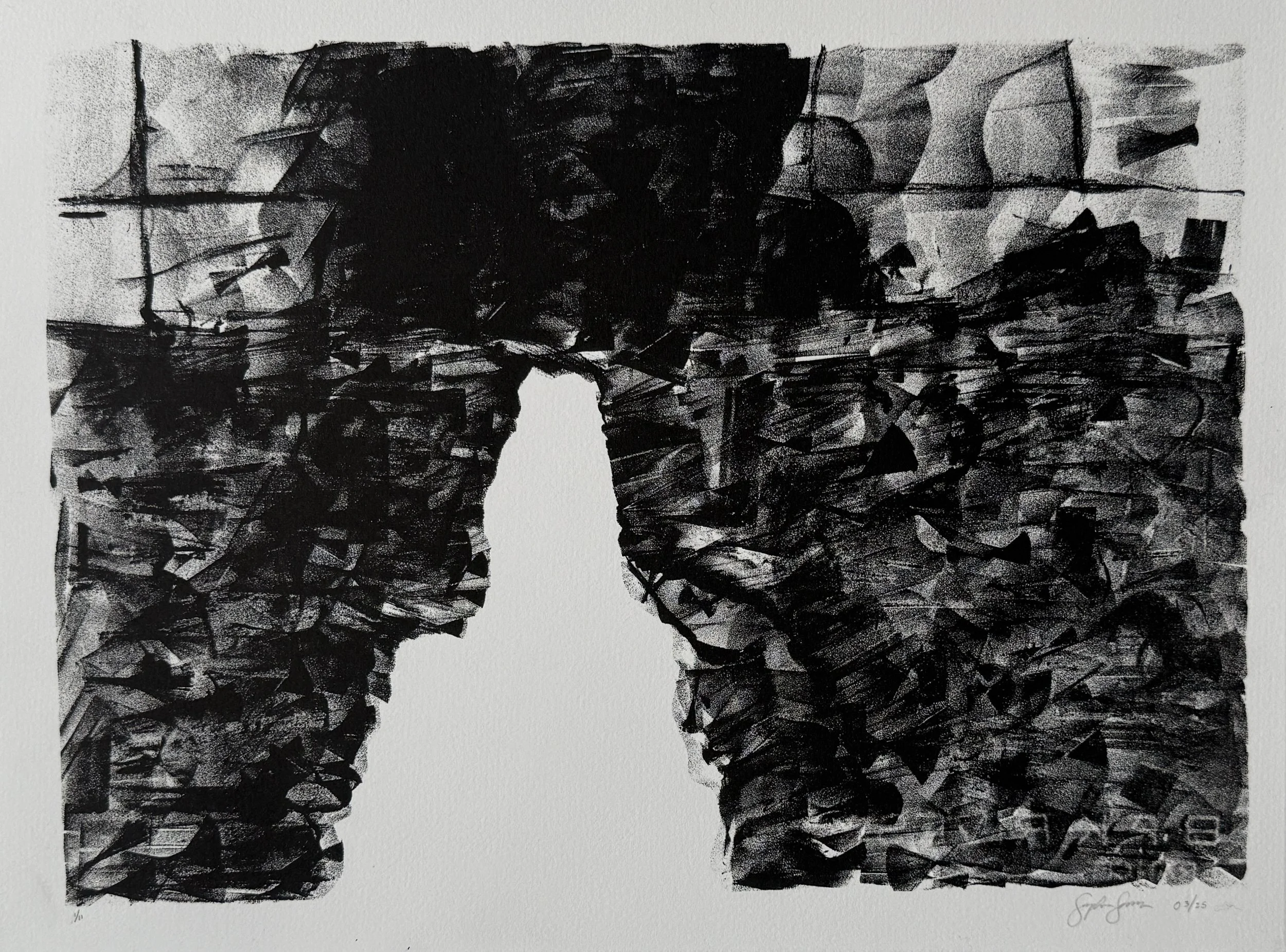
the field that spoke before we did, 2025
stone lithography, 11 x 15”
With circular mark-making inspired by aerial views of Midwest fields, this print explores childhood landscapes and distortion of the spoken word.
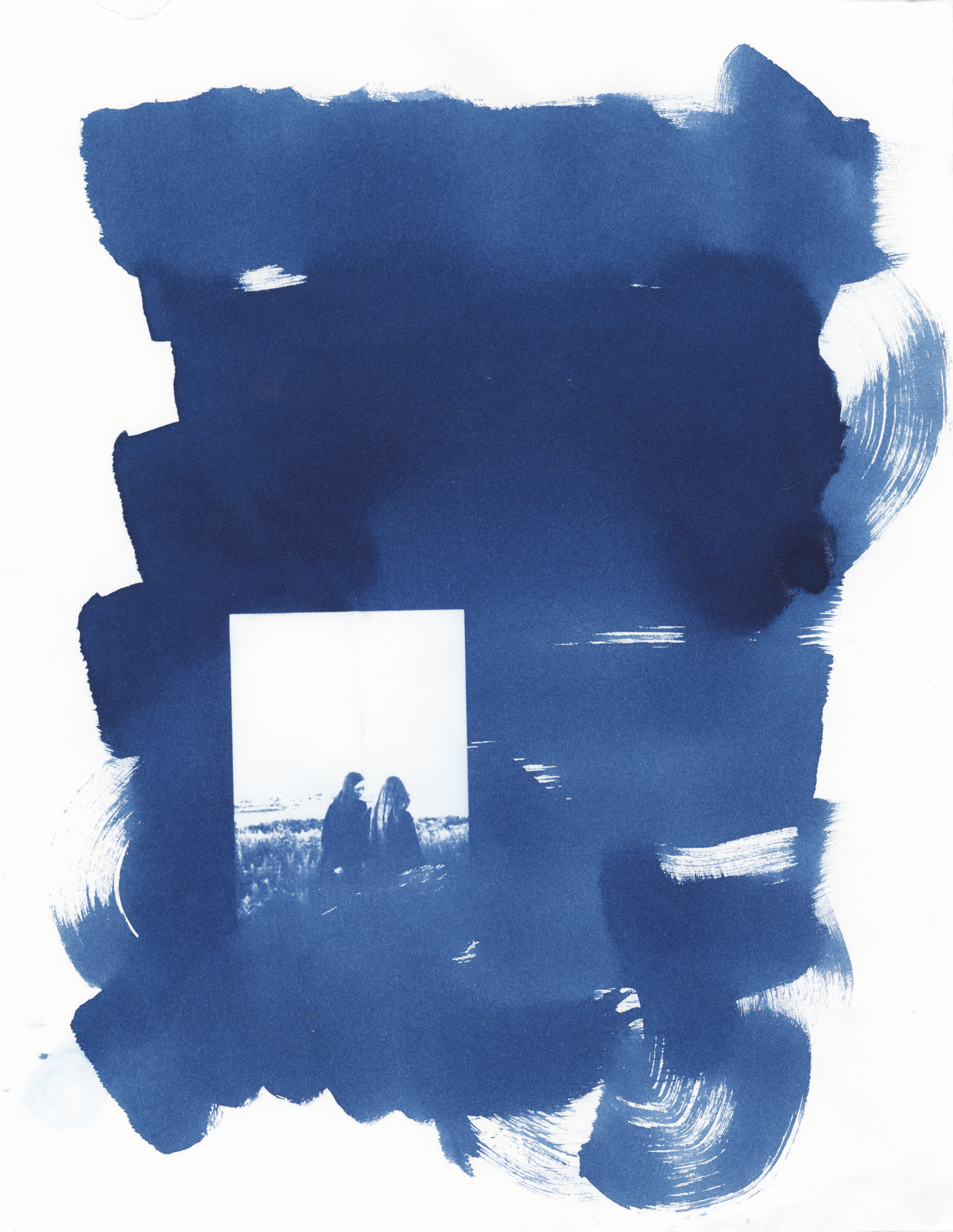
a fine line, 2024
cyanotype, van dyke brown, letterpress polymer plate, silkscreen, and found papers
The history of printmaking and photography are undoubtedly intertwined; where one ends and the other begins. This is a fine line which seems increasingly blurred with further exploration of both theory and technique. A Fine Line is an investigation of processes which lie on the border of these mediums; in turn, considering the ontological distinctions between a photograph and print. Questions about medium specificity, replication, duplication, and memory are considered through meditative reproduction of photos from family archives across various medium and direct prints from every day objects.
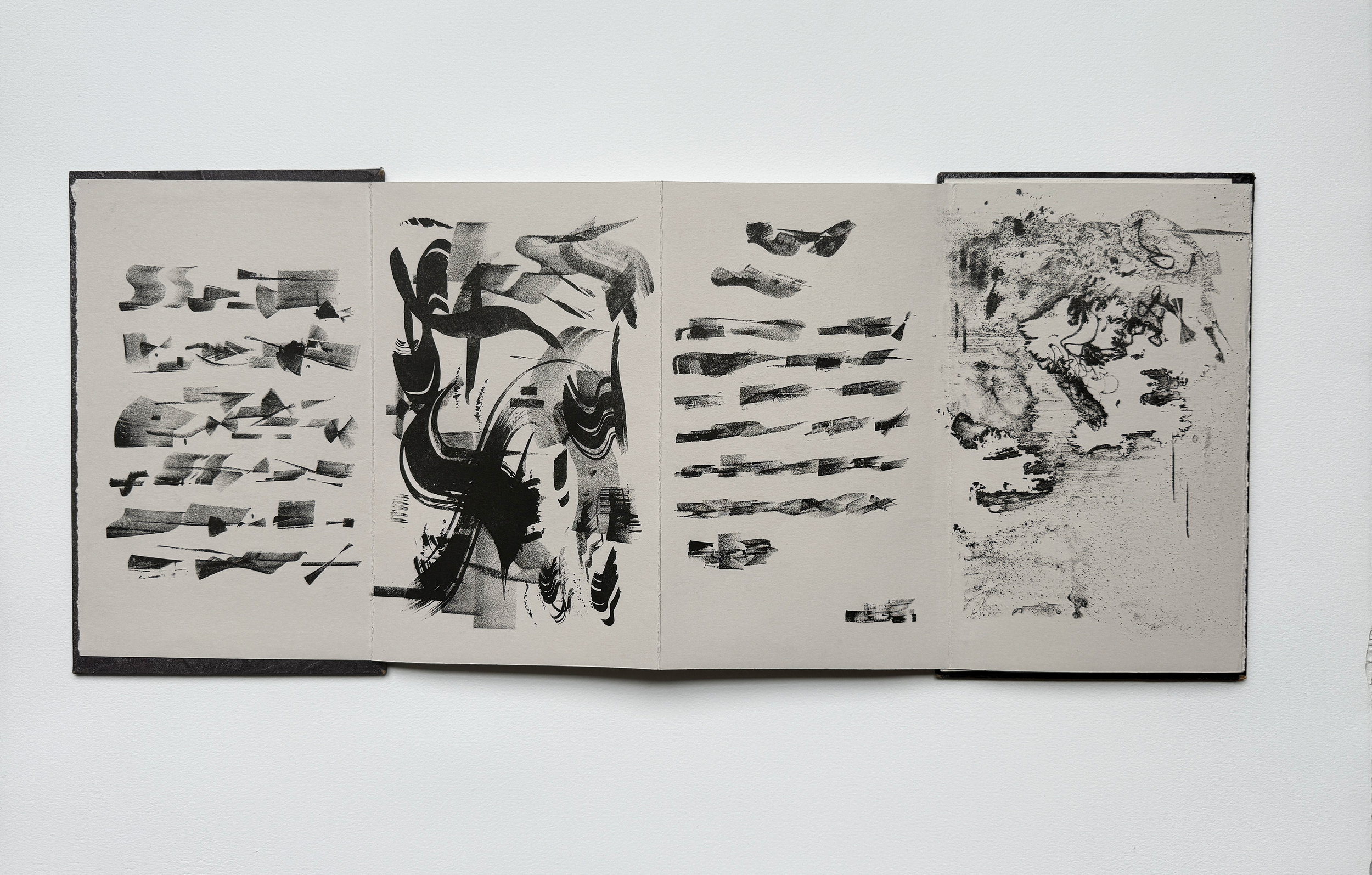
muddled, 2025
stone lithography and intalgio monotype
Printing primarily with stone lithography, muddled is an accordion book of asemic writing which explores the seemingly unbridgeable gaps between experience, memory, and communication. Asemic writing is a hybrid of writing and visual art. Roland Barthes told prominent asemic writing artist Mirtha Dermisache that her work “suggests to its reader, not exactly messages nor the contingent forms of expression, but the idea, the essence of writing.” These works often take on the format of common forms of communication: letters, books, texts, newspapers, etc. Dermisache’s contemporary, Irma Blank, utilized asemic writing to express her sense of being suspended between languages. It was Jim Leftwich who claimed that “a seme is a unit of meaning, or the smallest unit of meaning. [...] An asemic text, then, might be involved with a unit of language for reasons other than that of producing meaning.” Leftwich suggests that an asemic text is only “an ideal, an impossibility, but possibly worth pursuing for just that reason.”
In fact, it is for that reason that I adopted asemic writing as a tool. In utilizing a form of visual poetics composed of fragments, I often create work which takes advantage of the human propensity for meaning making by granting viewers the opportunity to draw connections between seemingly disparate imagery. Likewise, in creating works of asemic writing, I confront the impossibility of meaningless mark making. The form itself serves as an exploration of the communicative strife I experience; in this work, what I am struggling to say is less important than the struggle to say it. Like Blank, I find myself suspended in and by language; the asemic writing process is emotive and iterative. It is an attempt to express the unsayable.
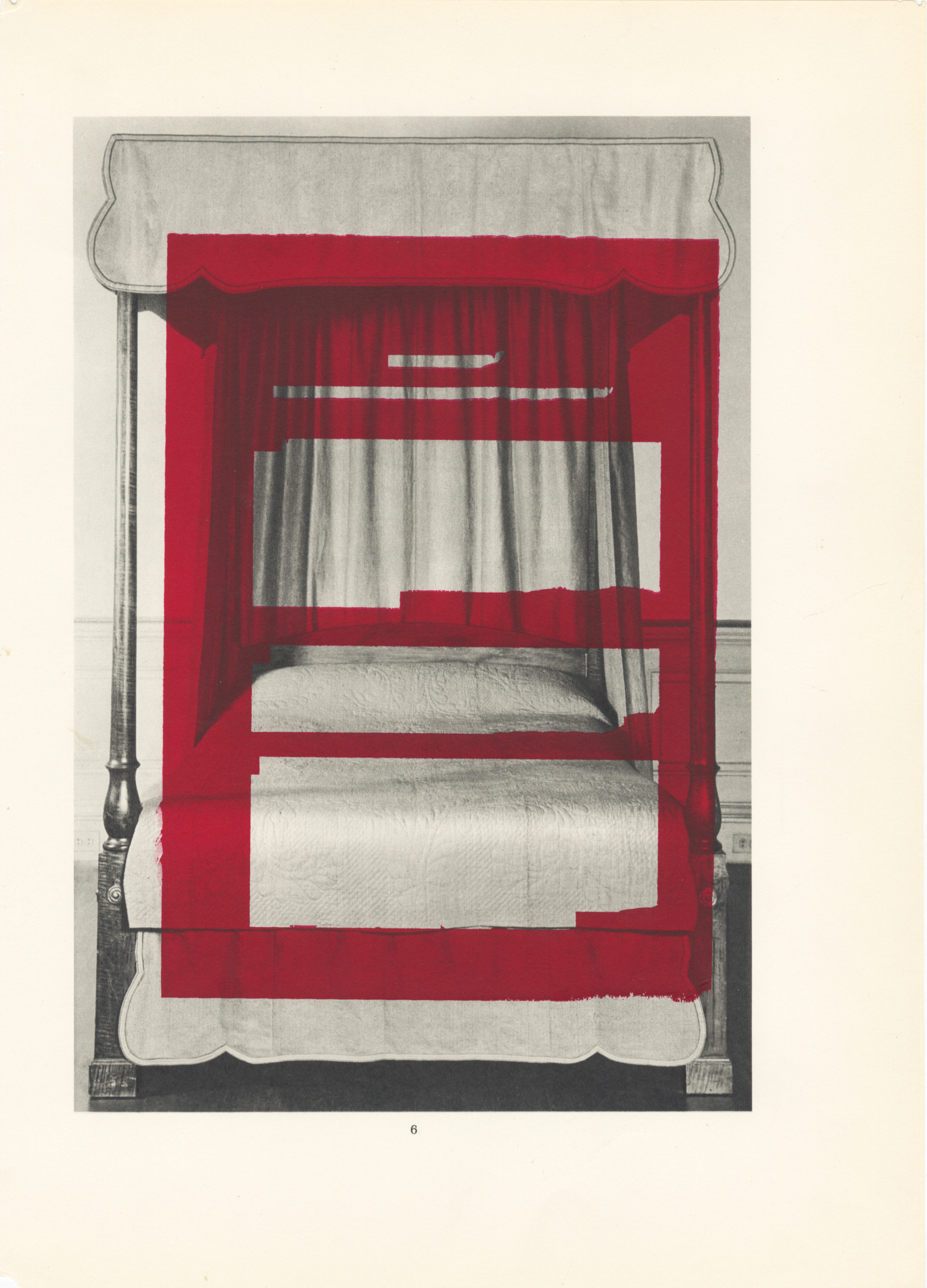
untitled #1, [furniture series], 2025
silkscreen on found papers
Making use of redacted text forms and found papers, this series considers the capacity of absence for meaning formation and linguistic intimacy.
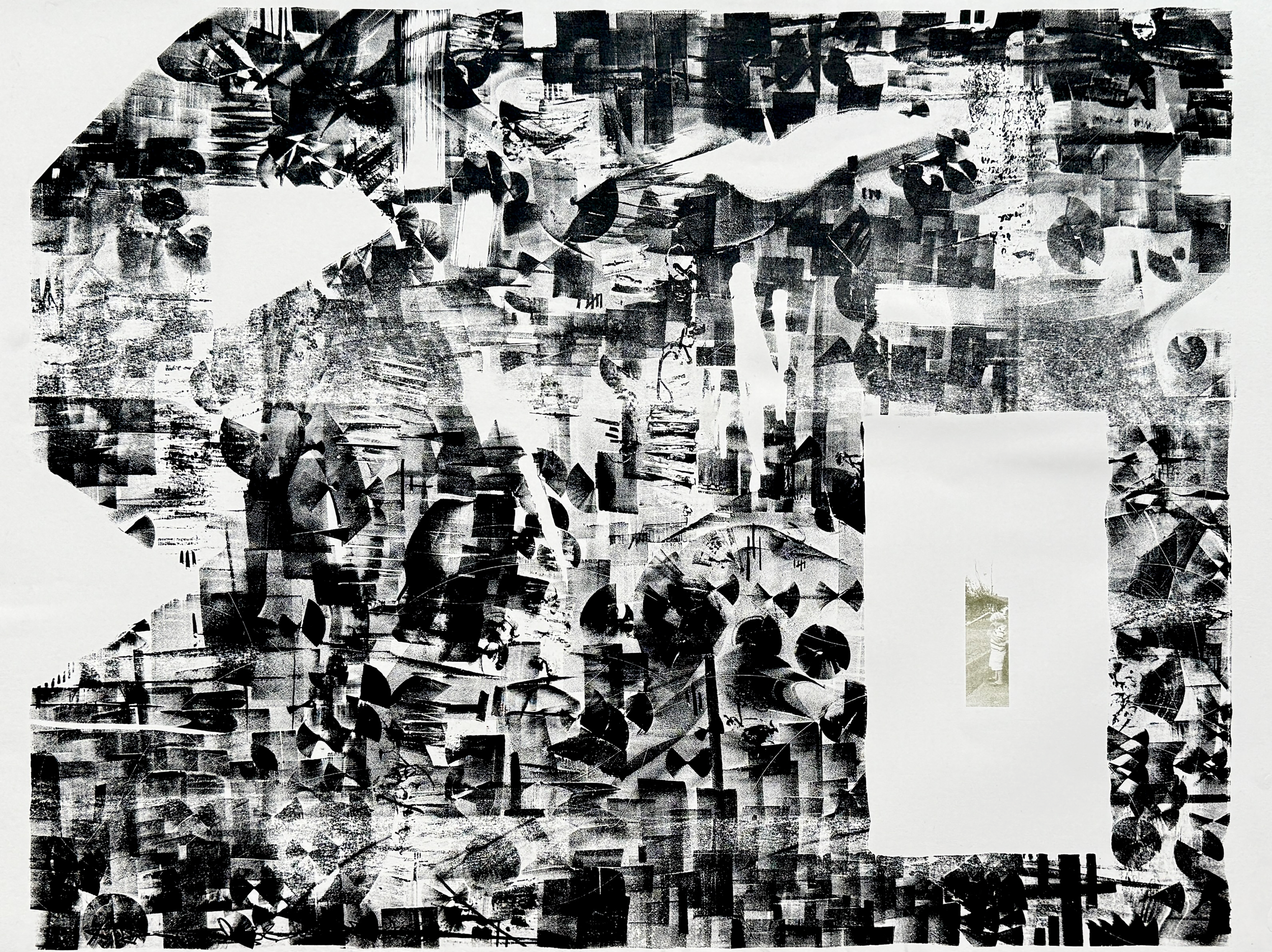
the childhood that spoke in circles, 2025
stone lithography and photolithography, 22 x 30”
With a pop of green, The Childhood that Spoke in Circles situates a figure in a mass of marks. These marks, somewhere between architectural and asemic writing, formed as a reflection on language, misunderstanding, and overwhelm.
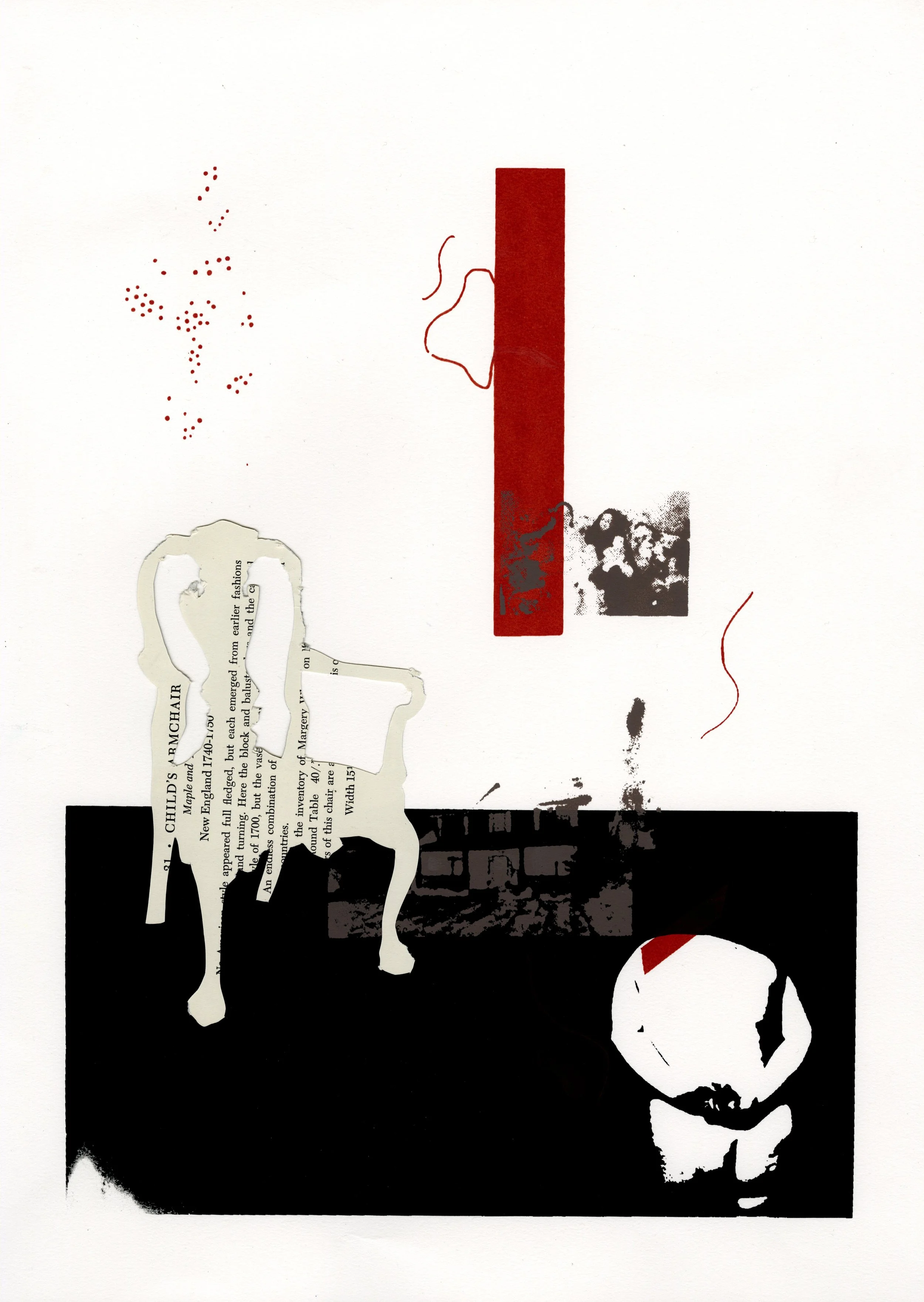
white baptismal gown, 2022
silkscreen and found paper
This print is comprised of fragmented images. The disjointed nature of the imagery suggests both the breakdown of memory and the possibility of new narratives emerging.
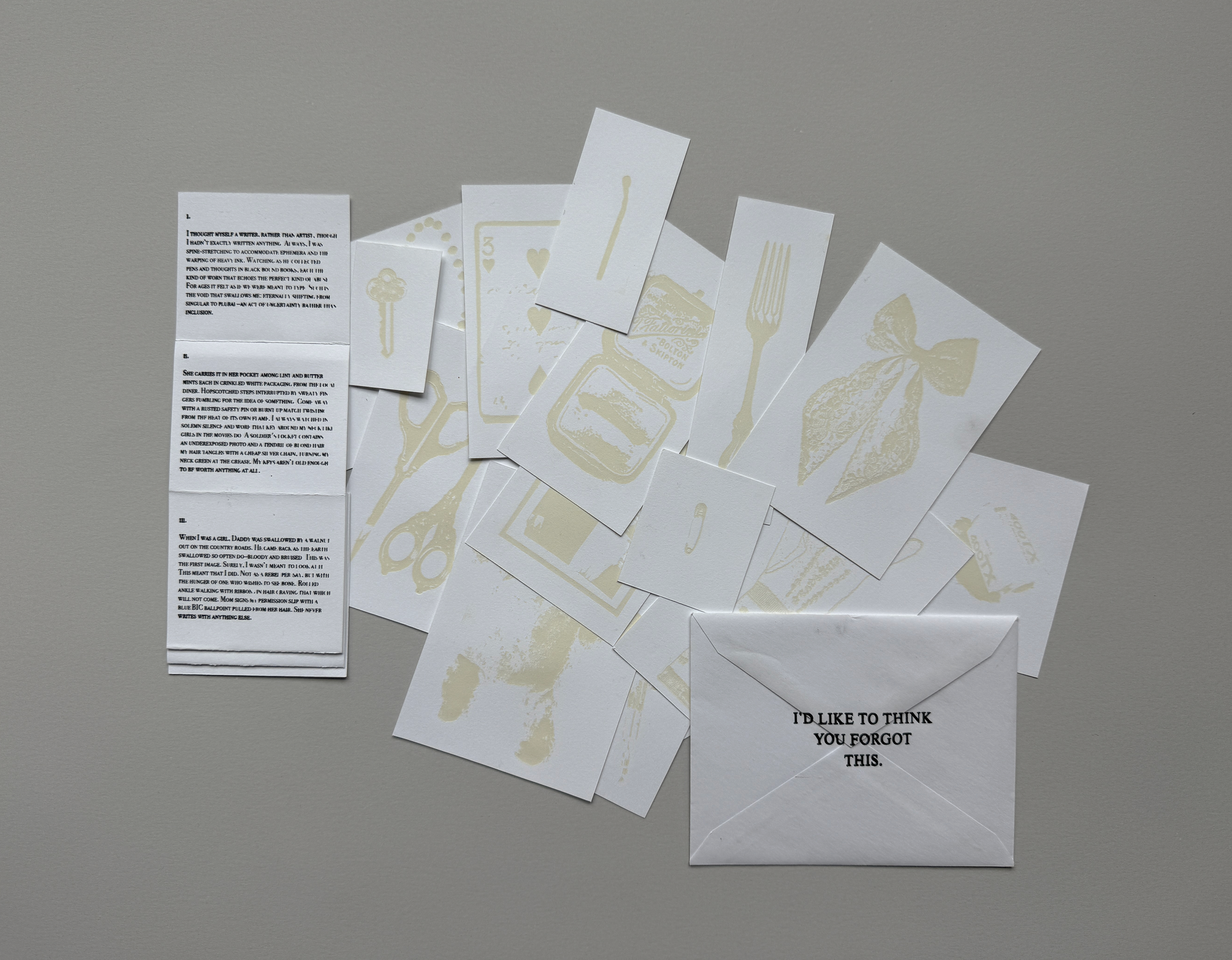
i’d like to think you forgot this, 2024
letterpress polymer plate and hand set type on cotton rag
i’d like to think you forgot this represents a turn towards collective memory. This project began with an empathetic sort of hoarding; when I encounter items that have been abandoned, my instinct is to capture them and give them new life. I collected the things left in my path: little girl’s hair ribbons, pins, matchsticks, a stuffed animal, keys, etc. The items in this book were selected for their balance of the generic and the particular; a playing card is commonplace, but when written on settles into a new narrative. Likewise, a matchstick burns differently every time, a rosary is made of different beads, and the cap of each pen is chewed on with a different set of teeth. Some of these things are disposable, others with life to live; regardless, they bear a story and hold remnants of their previous lives.
Considering the generic nature of these items, I began to rewrite them into my own memory. A piece of prose poetry details how the items fit into my own narrative and are recycled, accruing meaning through recontextualization. Dates are placed under the image detailing, not when I found the object, but when the object finds me – the timelines of the narrative I formed or associate with the object. While I aim to give these items solidity in documentation, they are ultimately forgotten or cast aside. In selecting the title, i’d like to think you forgot this, I challenge the viewer to consider the way their items and the items they encounter hold memory. How are these mundane objects just as much a part of the viewer's stories as they are part of my own or the previous owners? Being blind debossed into paper, the viewer must intentionally seek out interaction with the item – twisting it to catch the right light or running a hand along the surface of the page. The relevance of these individual objects is fragile, but they find new life in repetition. The binary of lost and found fades; the objects become both everyone’s and no ones.
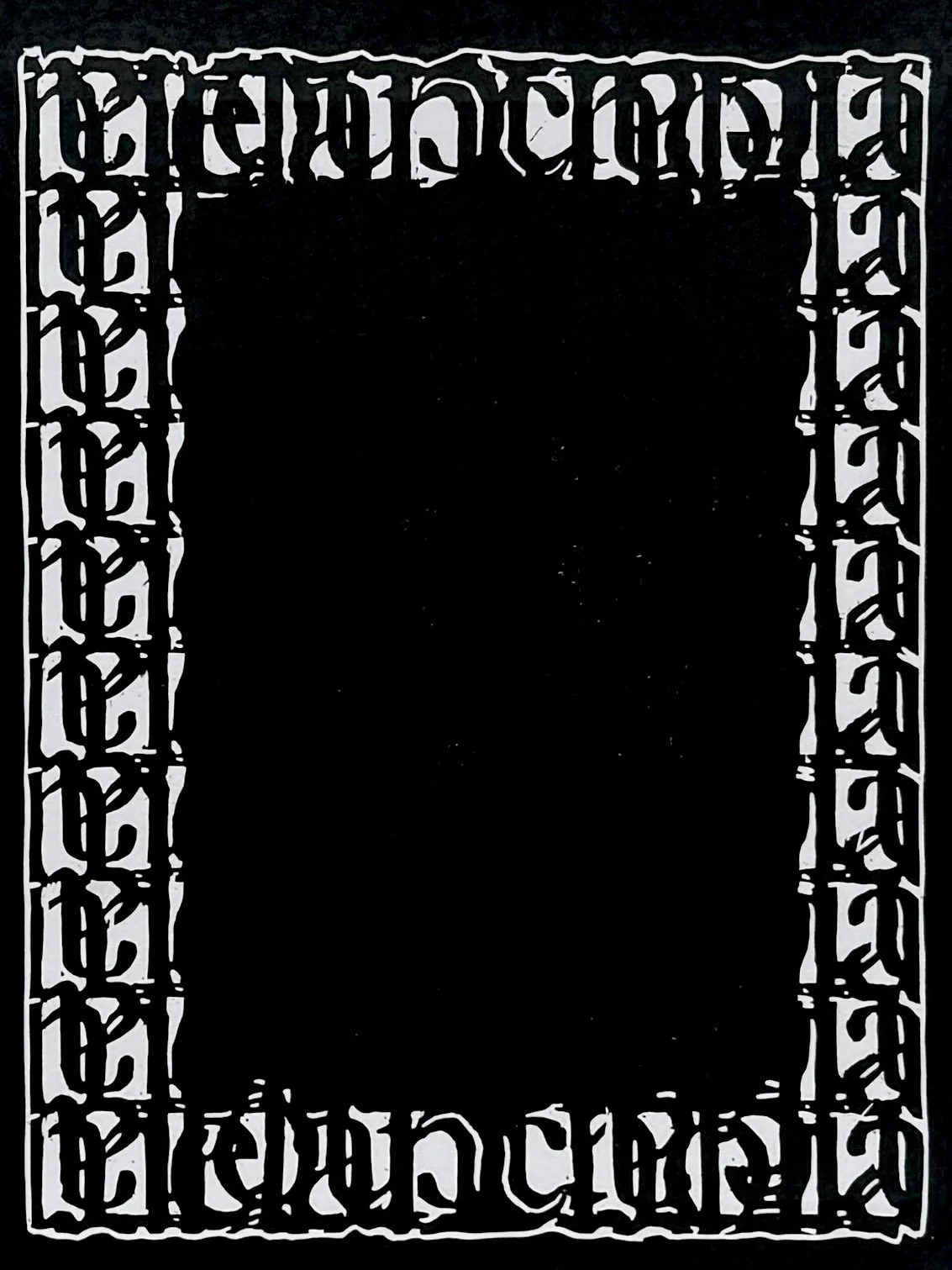
linguistic interior, 2025
woodcut
This work of asemic writing takes the form of an empty frame. How does language act a barrier to our understanding of ourselves and others?
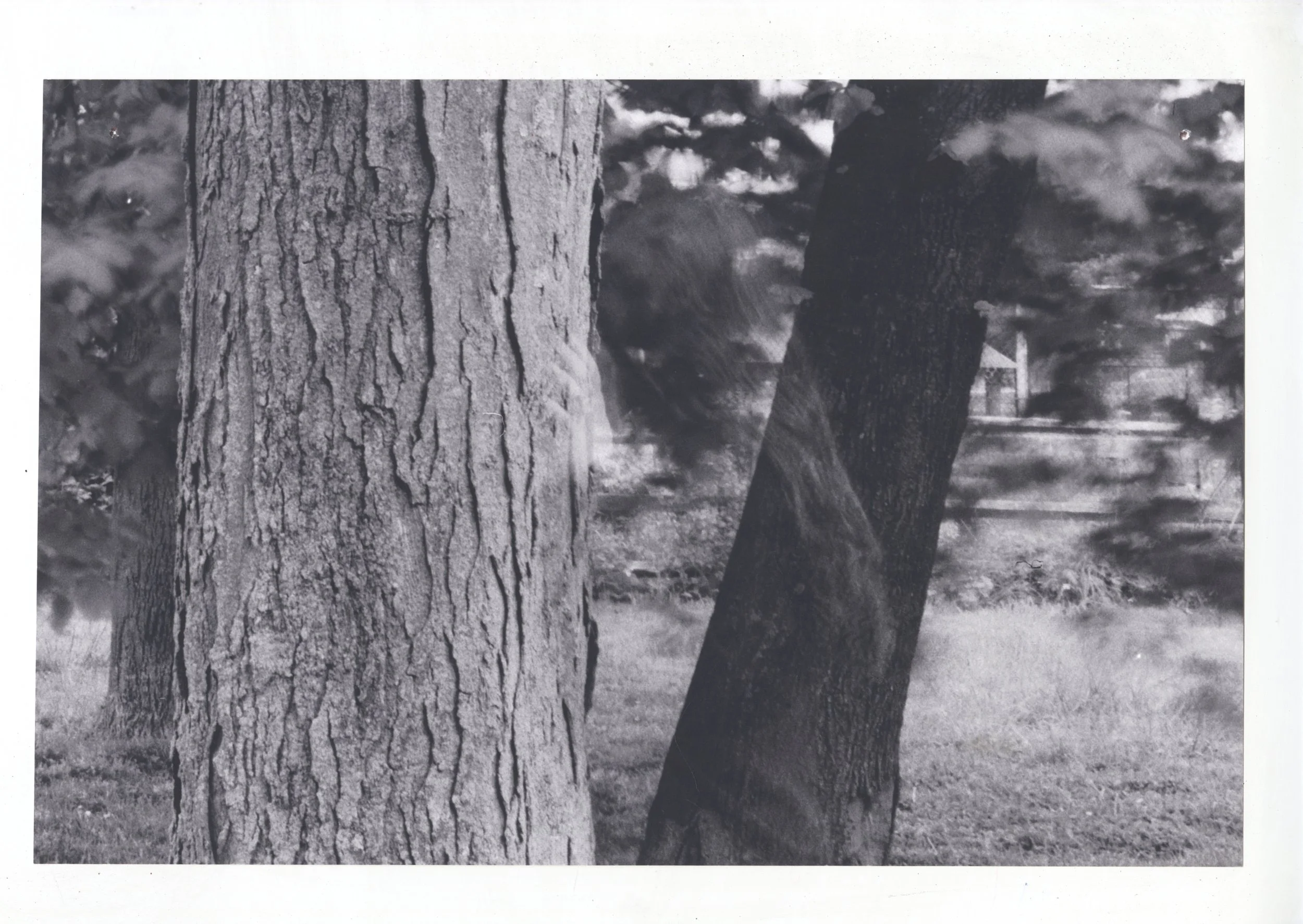
[un]gone, 2024
giclee on cotton rag, cropped from 4x5 negative
This self portrait is a long exposure — the kind that becomes an exercise in standing still. In this stillness, I fade into my own memory.